Contrast in MRI – risks and benefits
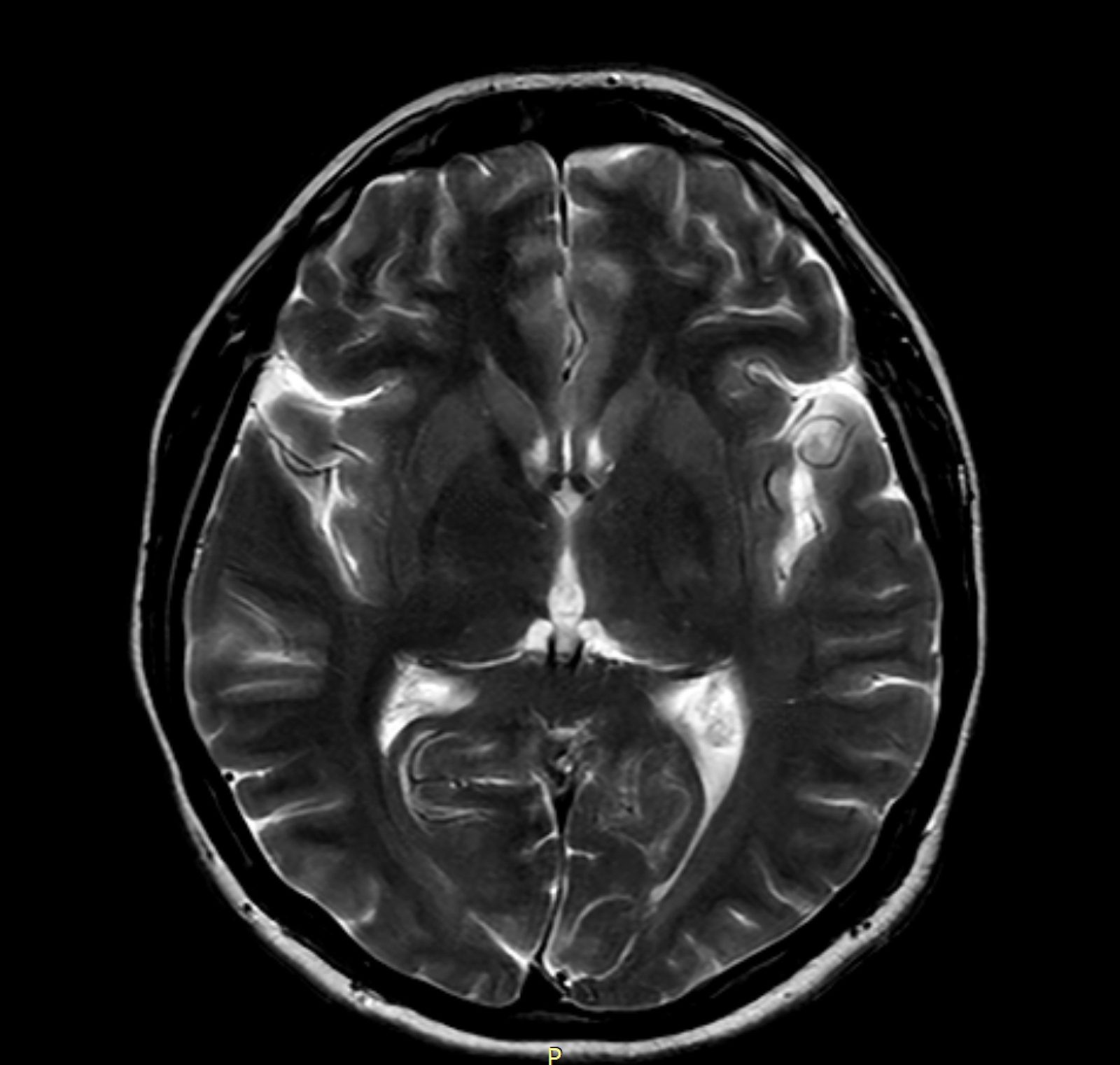
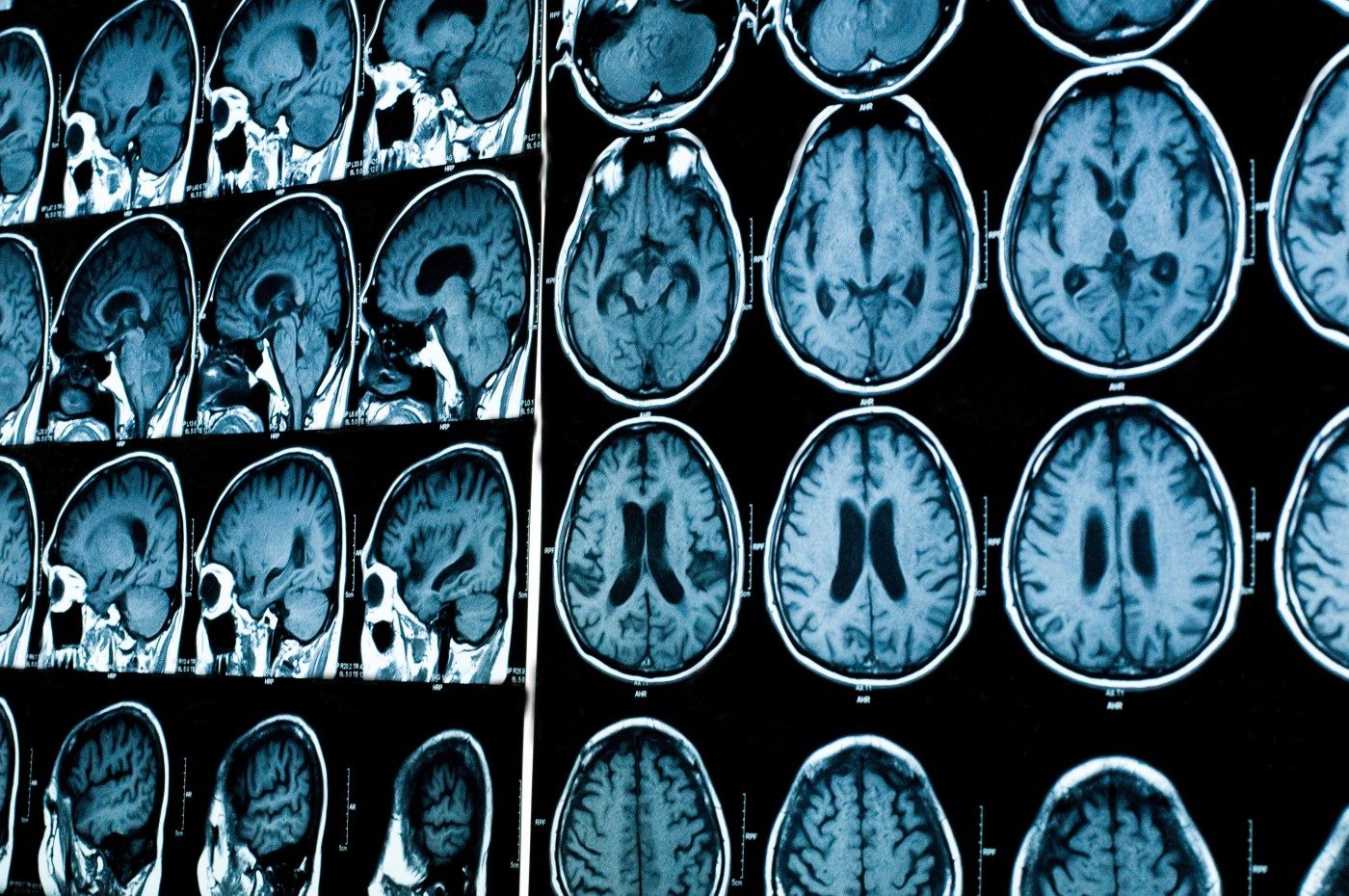
Contrast in MRI (gadolinium-based contrast agent, GBCA) is used to enhance the visibility of abnormalities in the image. Not every scan requires contrast – the decision is made by the radiologist based on clinical indications. I will explain when contrast is necessary, how it works, what the risks are, and what you must absolutely report before the injection.
In this article
When is an MRI with contrast necessary
Contrast is mandatory in: brain and spinal cord tumours (characteristics, boundaries); active MS (distinguishing between active and old lesions); encephalitis and meningitis (abscess, encephalitis); breast cancers (BI-RADS protocol); liver tumours (HCC, metastases); vascular diagnostics (aneurysms, haemangiomas); cerebral perfusion (stroke). NOT necessary for: routine brain MRI in cases of headache without red flags, MRI of the lumbar spine in classic discopathy, MRI of the knee joint following a sports injury (unless inflammation/tumour is suspected).
How gadolinium contrast works
Gadolinium (Gd³⁺) is a paramagnetic ion that affects the surrounding hydrogen atoms – it alters their T1 relaxation time, causing tissues with contrast to appear bright on T1-weighted images. The contrast agent passively crosses blood vessels and accumulates in tissues with a compromised blood-brain barrier or active vascularisation (tumour, haemorrhage). It is excreted by the kidneys within 24–48 hours. Standard dose: 0.1 mmol/kg, approx. 15–20 ml in adults.
Safety and contraindications
Allergic reactions: very rare (~0.1%), mild symptoms in 99% of cases (pruritus, urticaria). Anaphylaxis: <0.01%. Nephrogenic Systemic Fibrosis (NSF): rare, progressive fibrosis of the skin and organs in patients with severe renal impairment (eGFR <30). Modern Group II contrast agents (Gadovist, Dotarem, Magnescope) have a virtually zero risk of NSF even in patients on dialysis. Gadolinium accumulation in the brain: observed, but no documented clinical consequences with normal renal function. Pregnancy: avoid unless urgently indicated.
How to prepare for contrast
Required: creatinine or eGFR within 30 days prior to the scan (usually from NHS blood tests, GP, or we can perform a rapid test at APERTA). If eGFR <30 – nephrology consultation. Recommended: good hydration (1–2 glasses of water beforehand); report all allergies (iodine from CT scans, medicines, foods); report pregnancy or breastfeeding. After the scan: additional hydration (speeds up elimination); breastfeeding – older recommendations suggested a 24-hour break, newer ones (ACOG 2017) state that this is not necessary.
What does the patient feel during the contrast injection?
The injection is into a vein (usually the elbow) and takes a few seconds. Some patients feel: a cool sensation in the arm (the contrast is chilled); a slight metallic taste in the mouth (short-lived); a sensation of warmth in the pelvic area (typical and normal). SYMPTOMS TO REPORT IMMEDIATELY: difficulty breathing, itchy skin, hives, swelling of the face/lips, dizziness, palpitations. We have resuscitation equipment and a doctor on duty in the room. Reactions are very rare, but we are prepared.
Frequently asked questions
I am allergic to iodine (after a CT scan) – can I have gadolinium?
Yes. Gadolinium is chemically different from iodine-based contrast agents. Cross-reactions are rare.
Does the contrast agent affect breastfeeding?
Latest recommendations: we do not require a break. You can breastfeed as normal.
I have asthma – can I have contrast?
Yes, but please let us know. As a precaution, we administer intravenous steroids to high-risk patients.
Is the contrast agent dangerous for the baby?
The dose is lower (weight-dependent), and the safety profile is comparable to that in adults.
How much gadolinium remains in the body?
99% is excreted within 24 hours. Minor traces remain in the brain/bones (accumulation), with no known consequences.
Can I have an MRI without contrast if I’m worried?
Often yes, if the indication allows it. Consult a radiologist before the scan.
This content is for information purposes only and does not replace a medical consultation.